

Aerobic exercises refer to any type of exercise that is practiced at moderate levels of intensity for extended periods of time, which maintains a higher heart rate. In such exercises, oxygen is used to burn fat and sugar. Aerobic means “with oxygen”, and refers to the use of oxygen in the energy generation process of the muscles
Aerobics mixes rhythmic aerobic exercises with stretching routines and strength training with the aim of improving flexibility, muscular strength and cardiovascular fitness. It is usually performed with music and practiced in a group, although it also can be done alone and without musical accompaniment.

Some of the aerobic exercises are walking, jogging, cycling, swimming, etc. Its regular practice gives the body more endurance and helps fight obesity. It is recommended that adults practice aerobic exercises at least 150 minutes a week and have an active lifestyle.
Some of the benefits of aerobic exercises are the following:
- They reduce fat because they use it as main source of energy.
- Lower blood pressure.
- Lower cholesterol and triglyceride levels, which reduces the risk of a heart attack.
- They improve lung capacity, cardiovascular function, general blood flow and the use of oxygen.
- Improve digestive, kidney, immune, endocrine, mood, and sleep functions.
- They reaffirm the tissues and the skin recovers part of the lost freshness.
- Increase the absorption of calcium by the bones, strengthening them and reducing the risk of fractures.
-
Product on sale
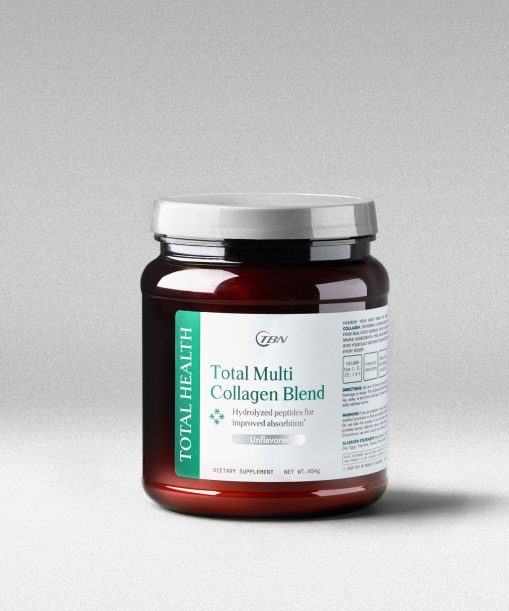 Total Multi Collagen Blend – UnflavoredOriginal price was: $19.99.$17.99Current price is: $17.99. — or Original price was: $17.99.$16.19Current price is: $16.19. / month
 -
Product on sale
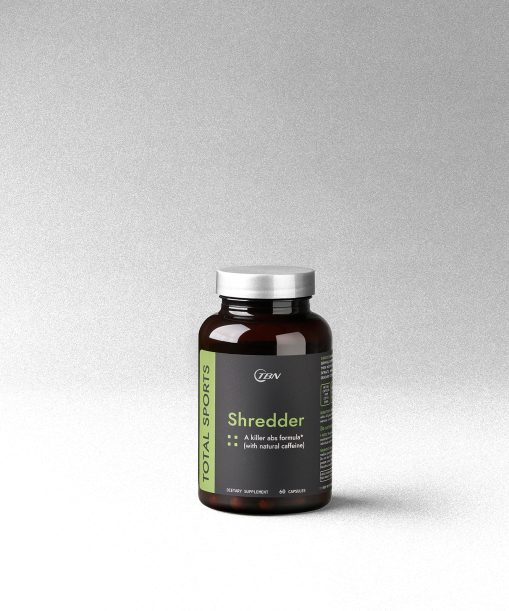 Shredder – A killer abs formula* (with natural caffeine)Original price was: $21.75.$18.50Current price is: $18.50. — or Original price was: $18.50.$15.73Current price is: $15.73. / month
 -
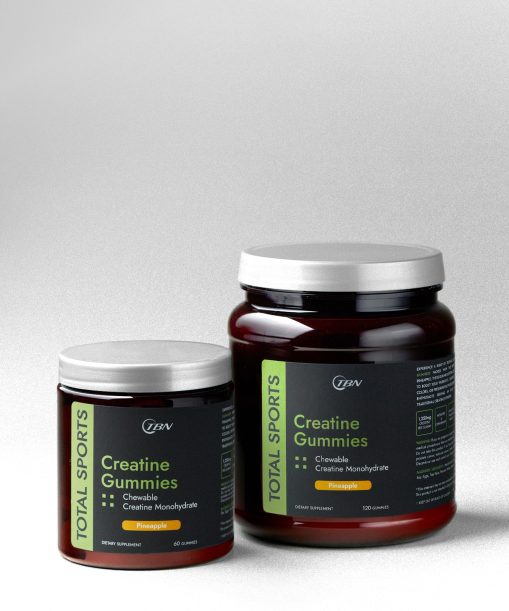 Creatine Gummies – Pineapple FlavorPrice range: $16.99 through $29.99 — or from Price range: $11.89 through $20.99 / month
 -
Product on sale
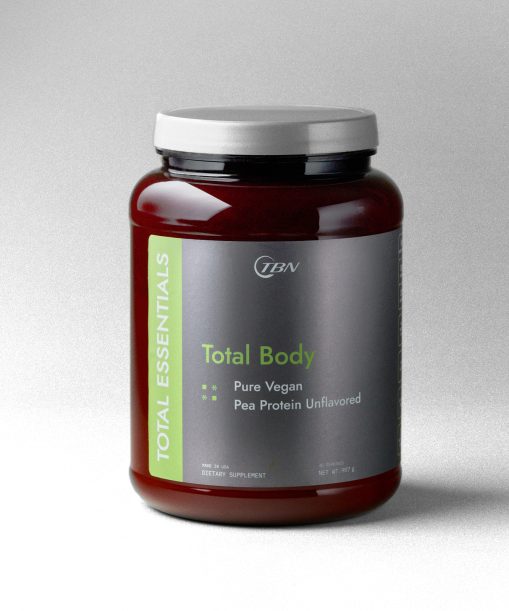 Total Body Vegan Pea Protein Unflavored 2LbOriginal price was: $29.95.$23.96Current price is: $23.96. — or Original price was: $23.96.$19.17Current price is: $19.17. / month
 -
Product on sale
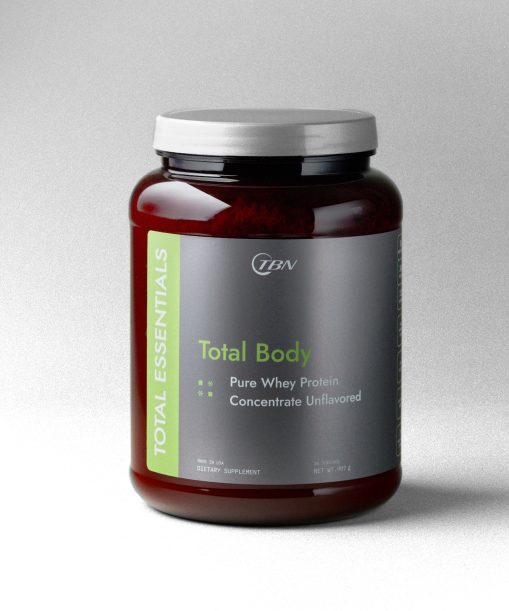 Total Body Whey Protein Concentrate Unflavored 2LbOriginal price was: $78.30.$39.15Current price is: $39.15. — or Original price was: $39.15.$31.32Current price is: $31.32. / month
 -
Product on sale
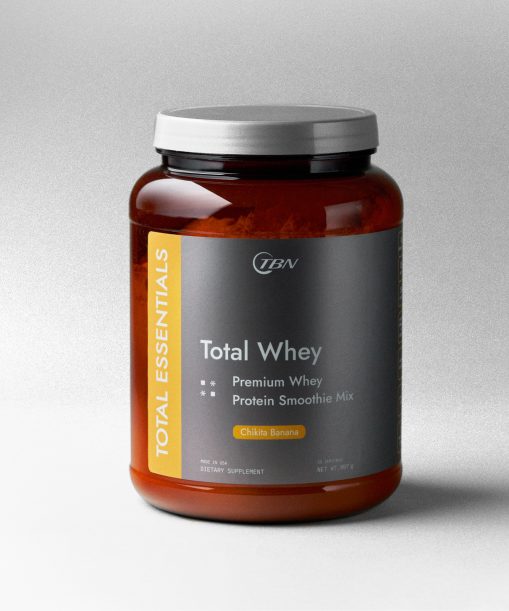 Total Whey – Premium Whey Protein Smoothie Mix 2LbPrice range: $32.99 through $38.12 — or from Price range: $26.39 through $30.50 / month
 -
Product on sale
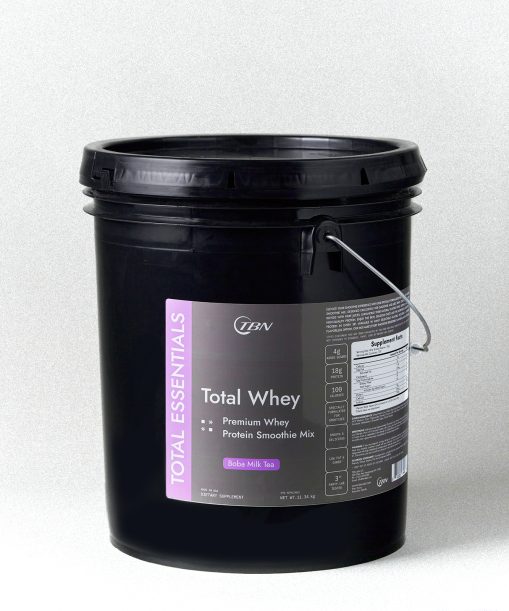 Total Whey – Premium Whey Protein Smoothie Mix 25LbOriginal price was: $299.99.$219.99Current price is: $219.99.
 -
 Total Body Whey Protein Isolate Unflavored 2Lb$104.13 — or Original price was: $104.13.$83.30Current price is: $83.30. / month
 -
Product on sale
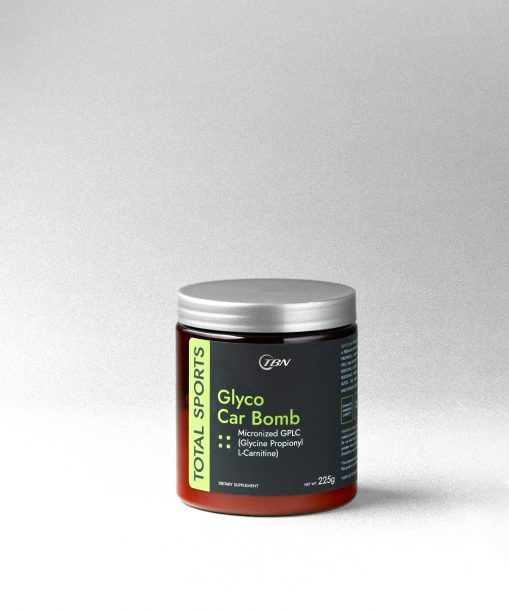 Glyco Car Bomb (GPLC)Original price was: $59.99.$47.99Current price is: $47.99. — or Original price was: $47.99.$43.19Current price is: $43.19. / month
 -
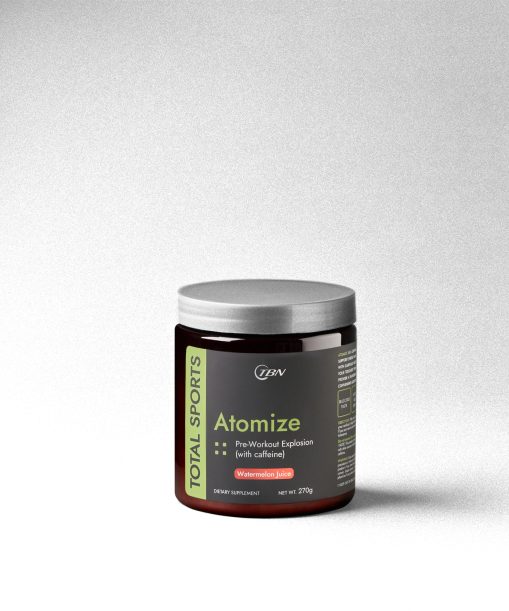 Atomize – Pre Workout Explosion (with Caffeine)$34.75 — or Original price was: $34.75.$24.33Current price is: $24.33. / month
 -
Product on sale
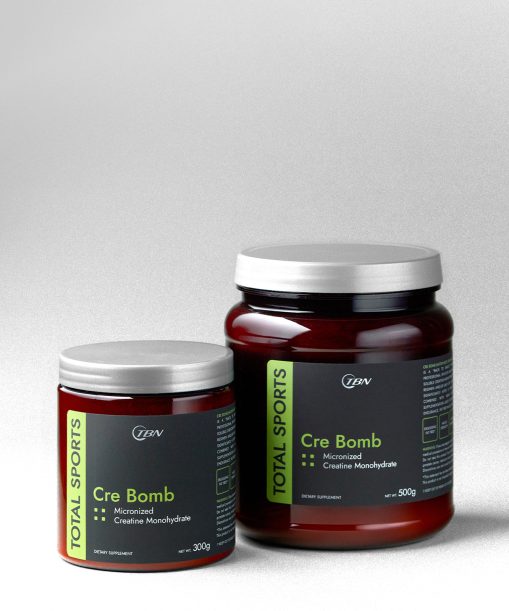 Cre Bomb (Micronized Creatine Monohydrate)Price range: $13.49 through $22.49 — or from Price range: $12.14 through $20.24 / month
 -
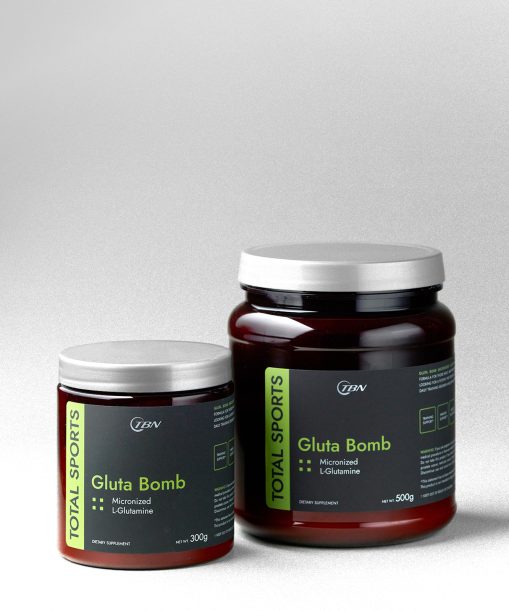 Gluta Bomb (Micronized L-Glutamine)Price range: $14.99 through $24.99 — or from Price range: $13.49 through $22.49 / month